
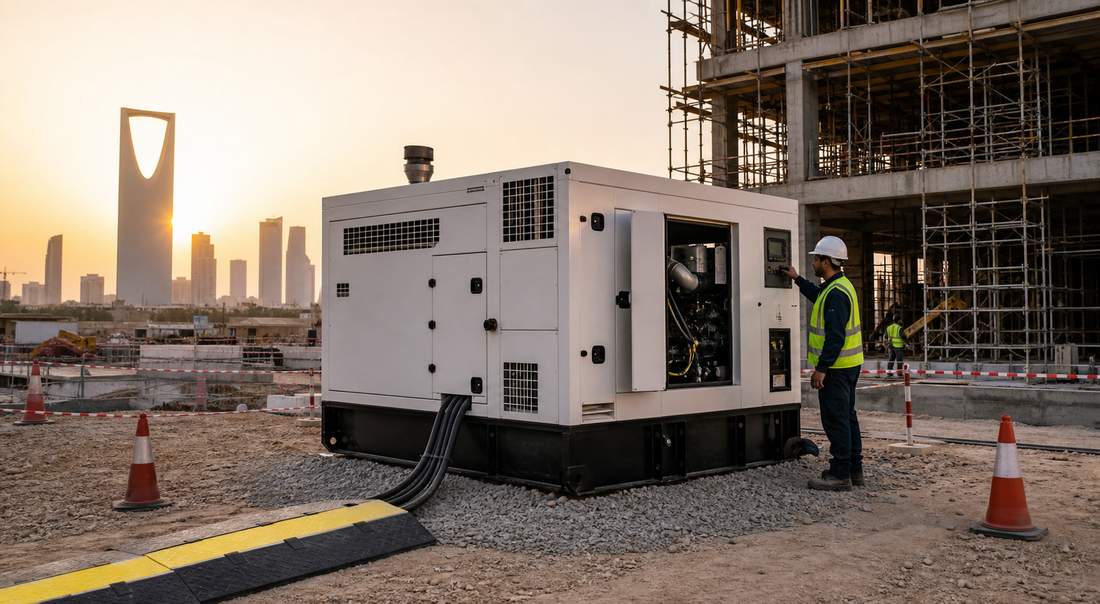
Choosing a generator rental in Saudi Arabia is less about picking the biggest unit and more about matching the load, runtime, access, and support to the real job. If those four parts line up, the project usually runs more smoothly. If they do not, the team ends up paying for downtime, refueling problems, or a generator that is stronger than needed in one area and weak in another.
That matters on construction sites, industrial facilities, events, and temporary works where the electricity requirement is important but the project timeline is even more important. The right rental should keep the site moving without creating extra technical decisions for the crew.
Before you confirm a booking, use the guide below to check whether the generator fits the site, the load, and the support plan. If you want to browse the category while you read, the main generator rentals page is the right place to compare the available units after you understand what the job actually needs.
Start with the load, not the machine
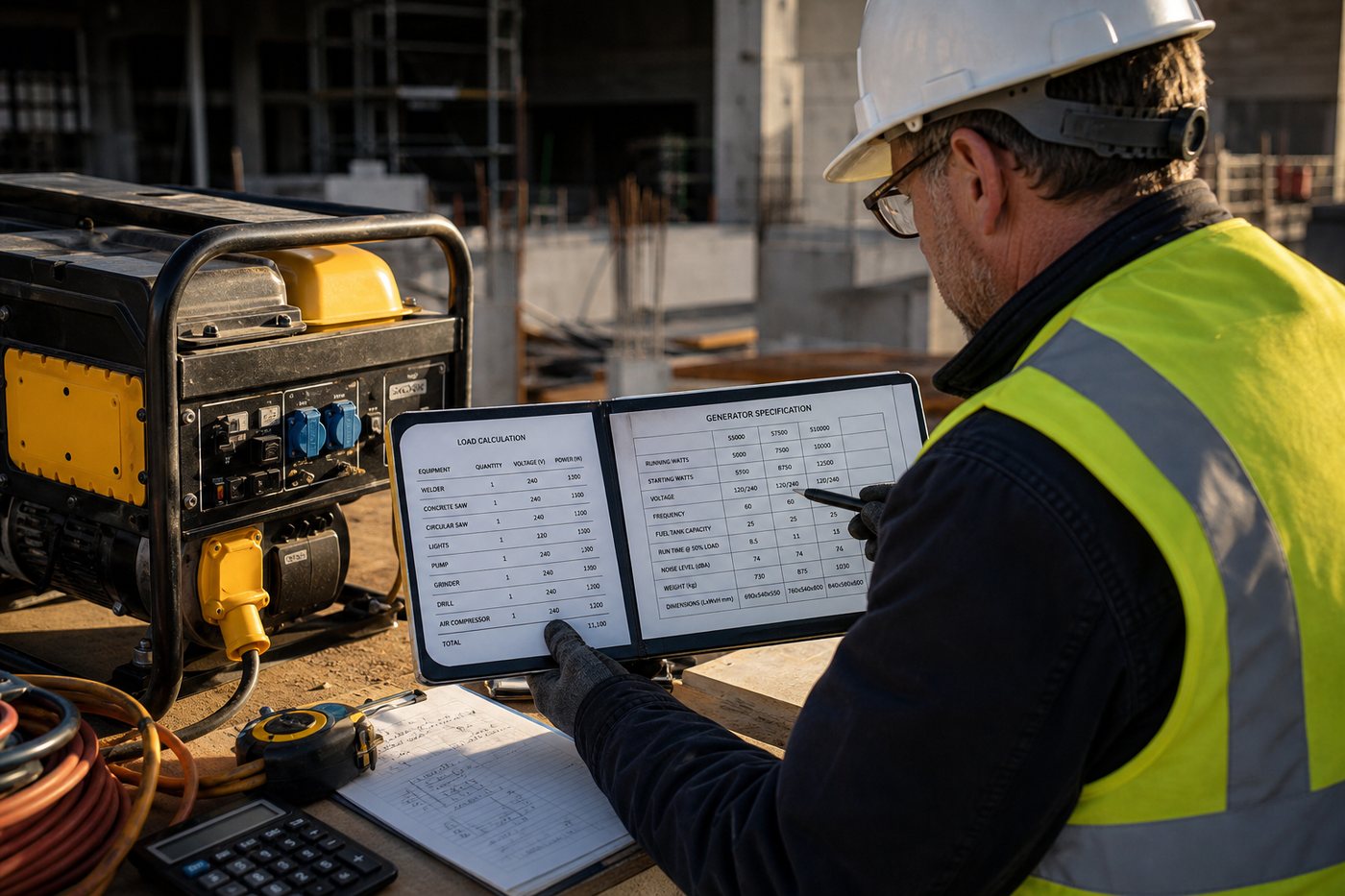
The most common mistake is to start with the generator model instead of the electrical load. That usually leads to the wrong answer because the site ends up shaping the decision after the booking is already being considered. The better approach is to list the equipment that needs power and then work backward from there.
Write down the machines, lights, pumps, tools, or temporary systems that need to run at the same time. Then separate the list into running load and starting load. A unit that handles the running load may still struggle when a motor starts up, especially if the site turns multiple devices on together.
If the project includes a crane, pump, compressor, lighting tower, or other equipment with a strong startup requirement, the generator should be chosen with enough margin to avoid frequent overload. That margin protects the job when conditions change or when more equipment gets added later.
This is why the rental conversation should focus on actual site demand rather than assumptions. The right machine is the one that can support the real workload without forcing the crew to manage electrical risk every hour.
Choose diesel or another setup based on the site
Many projects in Saudi Arabia lean toward diesel because the sites are remote, temporary, or difficult to power by other means. Diesel units also suit work that needs long runtime and flexible placement. But the type of generator still has to match the environment.
If the project is indoors, in a semi-enclosed area, or in a location with stricter noise and ventilation rules, the generator choice changes. That means the rental decision is not only about electrical output. It also includes placement, airflow, exhaust handling, and how the equipment will behave on the actual site.
For open construction sites, the more important question may be whether the unit can sit close enough to the load without creating delivery or access problems. For industrial facilities, the question may be whether the rental can integrate cleanly with the site plan and maintenance schedule. The site decides the setup just as much as the load does.
If your team is comparing options across broader equipment categories, it helps to think of the services page as the place where generator rental fits into the bigger project support picture. The category page is for the machine. The service page is for the support and delivery around it.
Check runtime, fuel logistics, and refueling access
A generator can be technically correct and still be operationally wrong if it cannot cover the needed runtime. A unit that looks fine for a short task may create problems on a project that runs for long shifts, multiple days, or changing work windows.
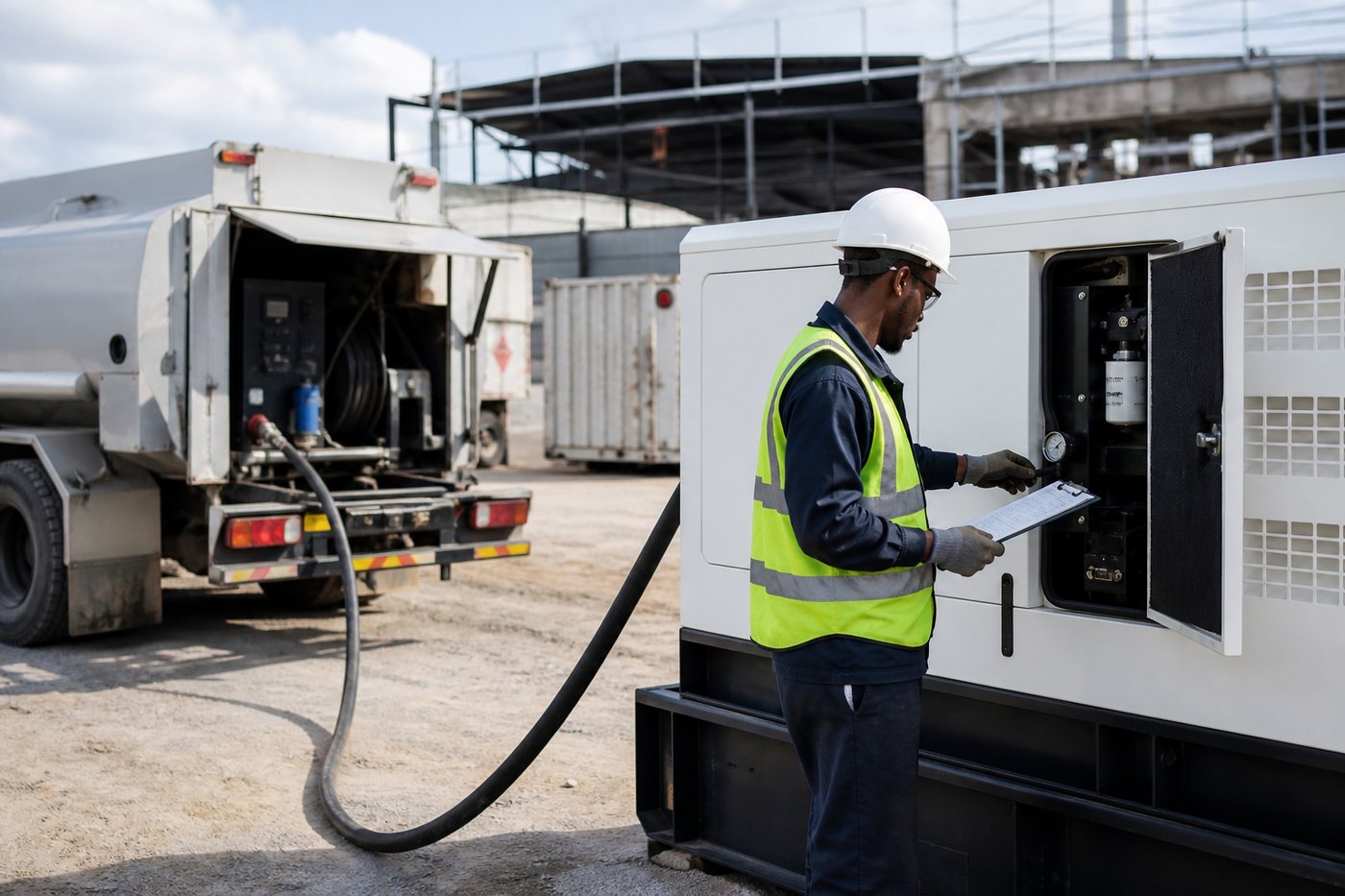
Before booking, estimate how long the generator will run each day and who will handle monitoring or refueling. If the unit will sit in a remote location, fuel logistics should be part of the decision, not something left for later. A remote site with awkward access may need a unit chosen for continuity, not just capacity.
Runtime also changes the economics of the rental. A machine that requires too much intervention increases the chance of interruption, and interruption is often the real cost. On a project where site progress matters, the question is not only what can power the load, but what can do it reliably enough that the job does not keep stopping.
Do not ignore access, delivery, and placement
Generator rental decisions often fail for simple reasons that have nothing to do with electrical capacity. The site may be too tight for the delivery vehicle, the ground may be awkward for positioning, or the generator may be placed too far from the load because nobody checked the site layout in advance.
That is why access matters. The delivery route, turning space, unloading area, and final placement all affect whether the rental is smooth or stressful. Even if the generator itself is the right size, the job can still be delayed if the team discovers access issues after booking.
On a live site, good placement also helps reduce risk. The generator should sit where it can be serviced, monitored, and refueled without getting in the way of other trades. If the unit has to be moved repeatedly, the site is usually asking the rental to do too much.
When the rental partner understands the layout early, they can recommend a more practical setup. That is often the difference between a machine that just arrives and a machine that arrives ready to support the work.
Review safety, placement, and operational checks
Safety is part of the rental decision, not a separate checklist after the delivery truck leaves. A generator has to be placed, ventilated, and monitored in a way that fits the site. If those details are ignored, the project takes on unnecessary risk.
The team should confirm the surface the generator will sit on, the distance from activity zones, the fuel handling plan, and the basic inspection routine. If the site is sensitive, a visual check before and after startup is usually worth the time because it catches small problems before they become expensive ones.
For a quick reference point, this is the kind of on-site attention that matters during generator use:
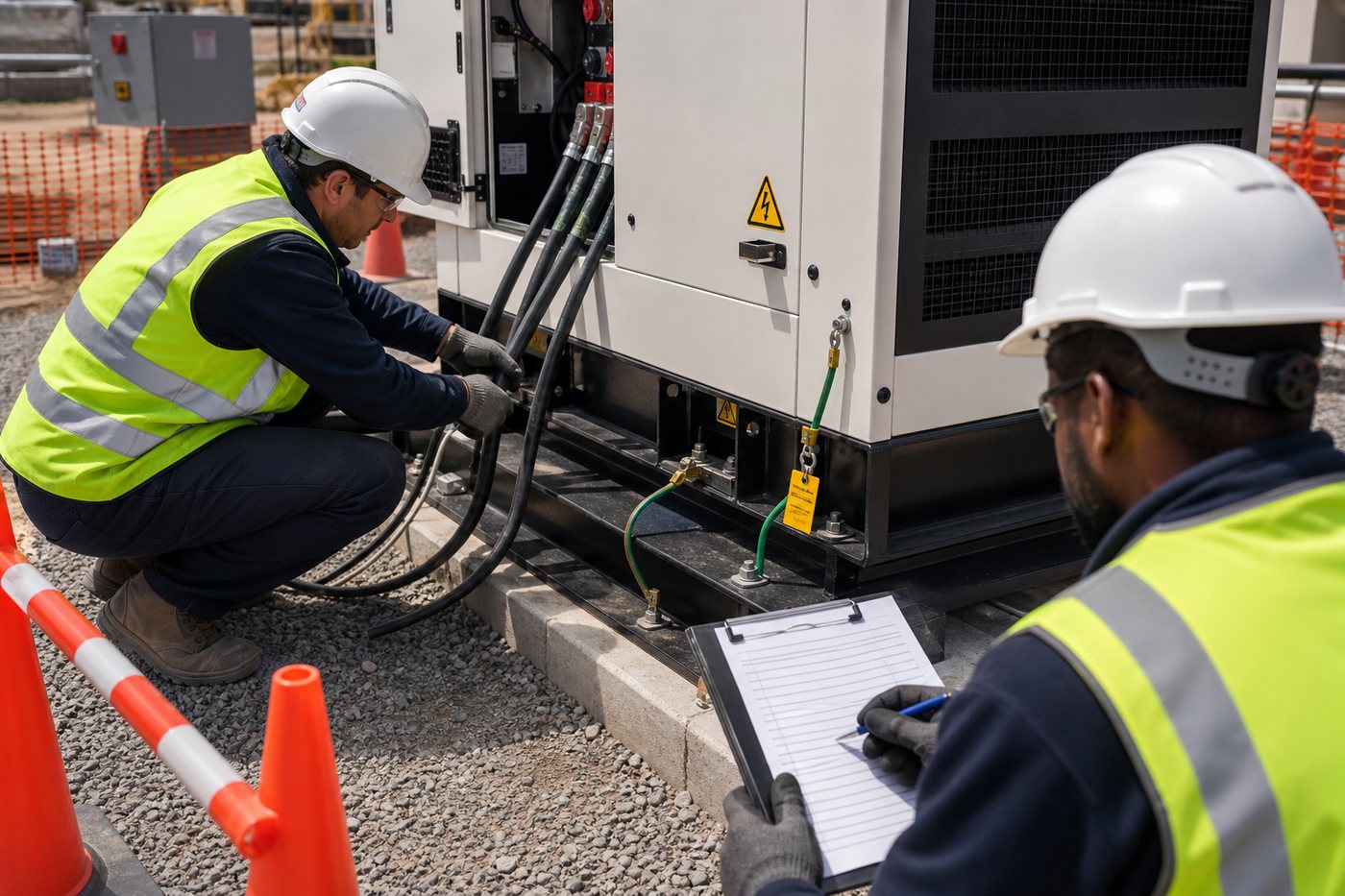
In practice, this means the rental decision should include the setup answer, not only the supply answer. The generator is not finished when it lands on the site. It is finished when it is placed correctly, checked properly, and ready to support the load without creating avoidable risk.
When a generator rental is the right choice
Rental is usually the better option when the project is temporary, the power requirement changes by phase, or the site cannot justify buying equipment that will sit idle after the job ends. That is common in construction, emergency response, maintenance shutdowns, and project-based industrial work.
Rental also works well when the team needs flexibility. If the scope changes or the site grows, it is easier to adjust the equipment plan when you are not tied to an owned asset. The commercial benefit is simple: you can match the machine to the job without taking on long-term ownership costs.
Buying may still make sense in some cases, but the rental route is often the lower-risk choice when uptime matters more than ownership. The point is to keep the project moving with the least friction.
What to confirm before you book
Use this checklist before you confirm the order. If any of these answers are unclear, the booking is not ready yet.
| Check | What to confirm | Why it matters |
|---|---|---|
| Load | Running load and startup load | Prevents under-sizing and overload |
| Runtime | Hours per shift and number of shifts | Protects continuity of power |
| Fuel | How and when refueling will happen | Reduces unplanned downtime |
| Access | Delivery route and placement space | Avoids setup delays |
| Support | Service response and setup help | Improves reliability on site |
| Safety | Ventilation, position, and inspection routine | Reduces site risk |
What the right generator rental should do
The right generator rental does four things at once. It matches the load, lasts through the runtime, fits the site, and comes with the support the crew actually needs. When those four pieces line up, the project becomes easier to manage and the risk of avoidable downtime drops.
That is the main decision this guide is trying to simplify. First, understand the load. Then check the runtime and access. After that, compare the available units only after the job has been defined properly. That order keeps the rental practical instead of turning it into a guess.
MAP Rental fits in at that comparison stage. Once the project knows what it needs, the generator category is the place to review the available options, and the team can use the contact page when it needs help confirming delivery, support, or site fit. That is where the brand turns the decision into a workable rental plan.
Choose the generator for the job, then move to the quote
If the load, runtime, access, fuel plan, and support all line up, the booking is usually ready. If any of those are still vague, it is better to clarify them before the site starts depending on the unit. That small pause is usually cheaper than fixing the wrong setup after delivery.
The best generator rental is not the largest one or the cheapest one. It is the one that keeps the work moving with the least friction, the least downtime risk, and the least confusion for the crew. Once the decision is clear, MAP Rental can help turn that choice into the right unit, the right delivery plan, and the right support so the team can move ahead with confidence.