An air compressor rental is easy to get wrong if you choose by size alone. The better question is whether the compressor will keep the tools running at the pressure and airflow the job actually needs, for the full shift, on the actual site.
That matters for Saudi construction sites, workshop work, maintenance crews, and any team looking for an industrial air compressor rental that can handle real conditions without slowing the job down. A good rental decision should protect the schedule, reduce stoppages, and avoid paying for capacity the crew will never use.
For teams that want a quick starting point, this guide focuses on the practical checks that matter before booking. If you work through the questions below, you will usually reach a better answer than if you simply compare machine sizes or brochure numbers.
Check pressure and airflow together
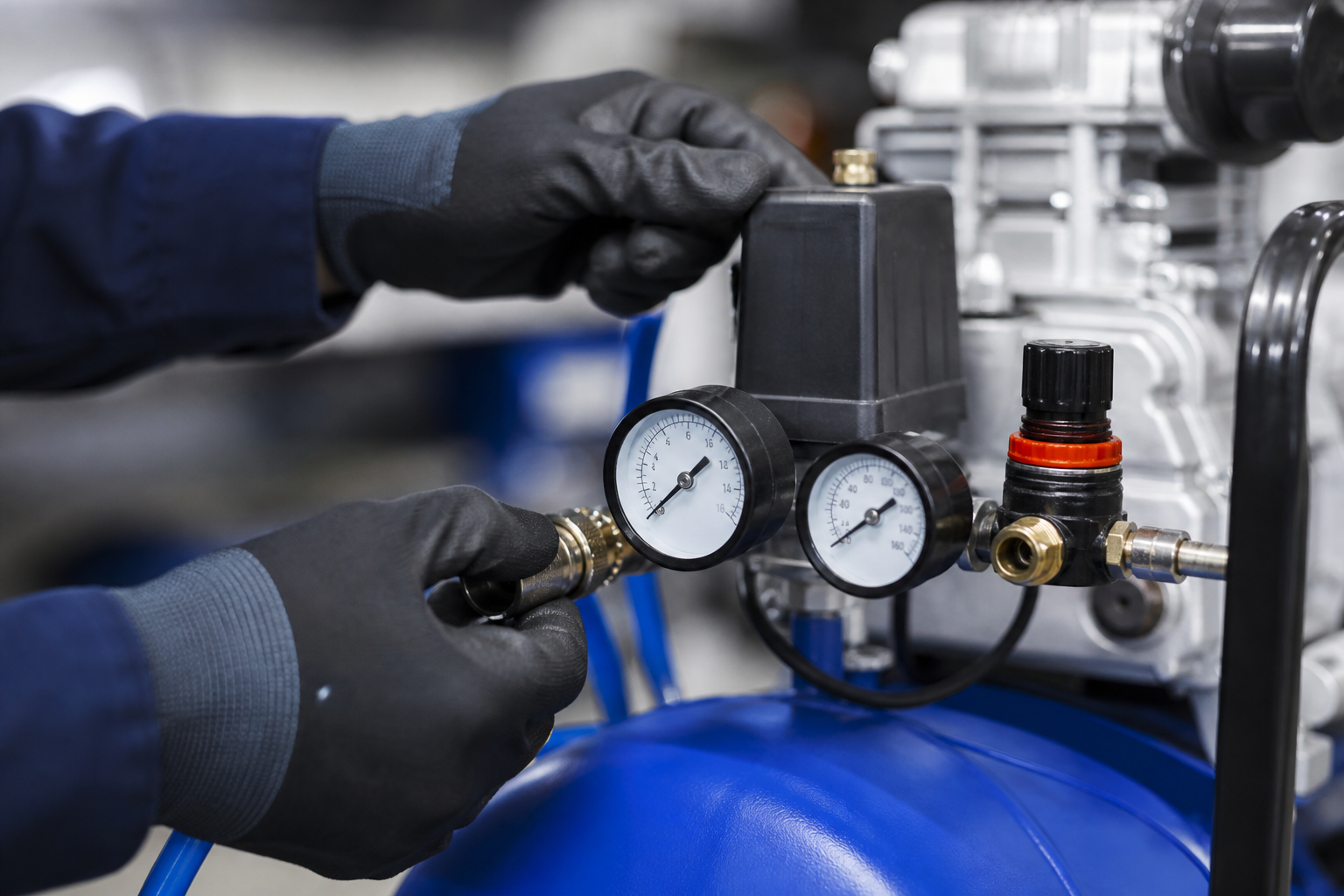
Pressure and airflow have to work as a pair. A compressor can look acceptable on paper and still underperform if it cannot support the tools connected to it. Before you book, list the tools, the number of users, and the highest demand the site will create at one time.
Do not stop at the peak number on a single tool. If the crew uses more than one tool at once, the compressor needs to cover simultaneous demand. That is the difference between equipment that helps production and equipment that causes slowdowns, rework, and complaints from the site team.
A simple way to check the fit is to ask four questions:
- What is the required operating pressure for the tool set?
- How much airflow is needed continuously, not just at startup?
- How many tools will run at the same time?
- How much margin is needed for pressure drops in hoses or long runs?
That last point matters more than many teams expect. Long hose runs, poorly matched fittings, or shared lines can reduce usable performance even when the compressor itself is technically the right size.
Choose the compressor type that fits the site
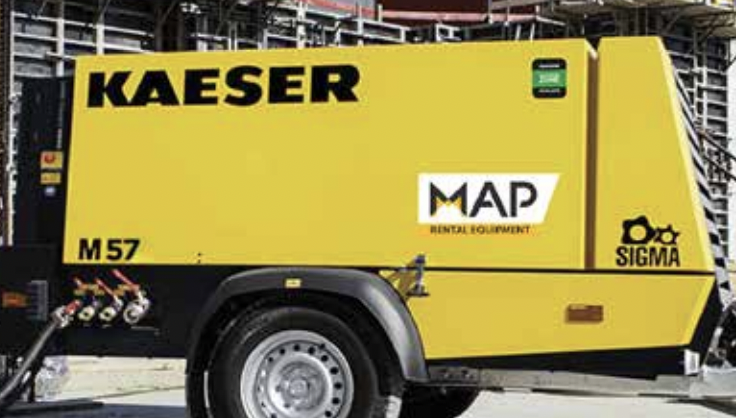
Many projects need a mobile diesel unit because the site is changing, remote, or difficult to power. Others need a smaller setup for maintenance, cleaning, or specialist work. The point is not to rent the biggest compressor available. It is to choose the one that fits the actual site layout and work pattern.
If the work takes place in a tight urban location, the decision is shaped by access as much as output. The crew may need a unit that can move through narrow entries, sit close to the work zone, and set up without disrupting other trades. On open sites, the choice often leans more toward runtime, durability, and ease of refueling.
That is why an air compressor rental saudi arabia search should not end with a machine name. The real question is how the compressor will behave once it reaches the site, starts running, and begins supporting the tools or processes the crew depends on.
Match runtime to the shift, not just the machine
Short jobs and long-running jobs have very different rental needs. A unit that works well for a few hours can be the wrong choice for an all-day operation if it creates repeated refueling interruptions or if it cannot maintain stable output for the full shift.
Before you book, estimate how long the equipment will be in use each day, how often it will need to pause, and who will handle refueling or monitoring. If the site is remote, fuel logistics become part of the equipment decision. If the job is sensitive to stoppages, then the rental should be chosen for continuity rather than headline capacity.
The same logic applies to jobs that change across phases. A project may need a compressor for the first stage of work, then less output later. In that case, a rental can be the better move because the team can match the machine to the phase instead of buying a larger asset just to cover a temporary peak.
For a related planning example, you can see how site timing and support affect other rental choices in the 24 Hour Emergency Breakdown Service page. The principle is the same: a machine is only useful if the support around it keeps the work moving.
Do not forget hoses, couplings, and air quality items
A compressor is only useful when the full setup works. Hoses, fittings, couplings, separators, and filters can determine whether the equipment is productive on day one or delayed while the crew looks for missing parts.
This is especially important when the job depends on consistency. If pressure falls at the tool because a hose is too long, the wrong size, or poorly connected, the operator may blame the compressor when the real problem is the setup around it. That is why a proper rental check should include the entire air delivery path, not just the machine itself.
Some jobs also need cleaner or drier air than others. Painting, finishing, specialist maintenance, and certain workshop tasks may need extra filtration or moisture control. If the project is sensitive, make that requirement clear before booking. It is much cheaper to specify the right support at the start than to fix the air quality problem after work has already begun.
Use the rental as risk control, not just a supply decision
For short projects, variable scopes, and teams moving across multiple sites, renting often makes more sense than buying. It keeps capital free and reduces the risk of owning a machine that is underused after the job ends. It also gives the team more flexibility when requirements change during the project.
That flexibility is one of the main reasons rental often wins in real operations. A team can choose the compressor that fits the current phase of the work, then scale up or down later. If the project turns out to need more output, the rental discussion can be revisited without turning the whole job into a sunk-cost problem.
The opposite is also true. If the site only needs a compressor occasionally, buying can create hidden costs through maintenance, storage, servicing, and asset management. For many customers, the stronger commercial decision is to rent the compressor that keeps the site moving with the least downtime risk.
What to confirm before you book
Use this checklist before you confirm the order. It is short on purpose. If any answer is unclear, the booking is not ready yet.
| Check | What to confirm | Why it matters |
|---|---|---|
| Pressure | Required operating pressure for the tool set | Prevents weak output and tool failure |
| Airflow | Continuous airflow across all tools in use | Avoids drop-offs during work |
| Runtime | Hours per shift and refueling plan | Keeps the job running without pauses |
| Site access | Width, turning space, loading, and placement | Prevents delivery and setup issues |
| Accessories | Hoses, couplings, filters, and any needed extras | Ensures the compressor works on arrival |
| Support | Delivery timing, setup help, and response if something fails | Reduces risk when the site cannot wait |
See the compressor in context before you book
MAP Rental has a diesel air compressor product page that fits the kind of rental decision this guide is meant to support. It is a useful reference point when you already know the site needs a diesel unit and want to compare the rental to the job rather than to a guess.
Use the product page here: Diesel Air Compressors
If the team still needs to confirm delivery timing, location access, or the support scope, use the contact page here: Contact MAP Rental
Ask the rental team these final questions
Before you confirm the booking, ask the rental team a few practical questions. Their answers will usually tell you whether the compressor is truly a fit or whether you are still forcing a machine into the wrong job.
- What is the recommended pressure and airflow for the exact tools we plan to use?
- How long can the unit run in our expected shift pattern before refueling or a pause?
- What hoses, fittings, and accessories should be included with the booking?
- What happens if the site needs support after delivery or during the job?
- Is the unit better suited to mobile use, fixed use, or mixed site conditions?
If those answers are clear, the booking is easier to approve and the site team is less likely to run into avoidable surprises. That is the real value of a good rental decision: it reduces uncertainty before the equipment ever leaves the yard.
Make the booking based on the job, not the guess
If the pressure, airflow, runtime, site access, and support items all line up, the rental is probably right. If any of those are still vague, keep checking before you book. A short delay at the decision stage is usually cheaper than fixing a bad rental on site.
The best compressor rental is not the largest one or the cheapest one. It is the one that keeps the work moving with the least friction, the least downtime risk, and the least confusion for the crew.